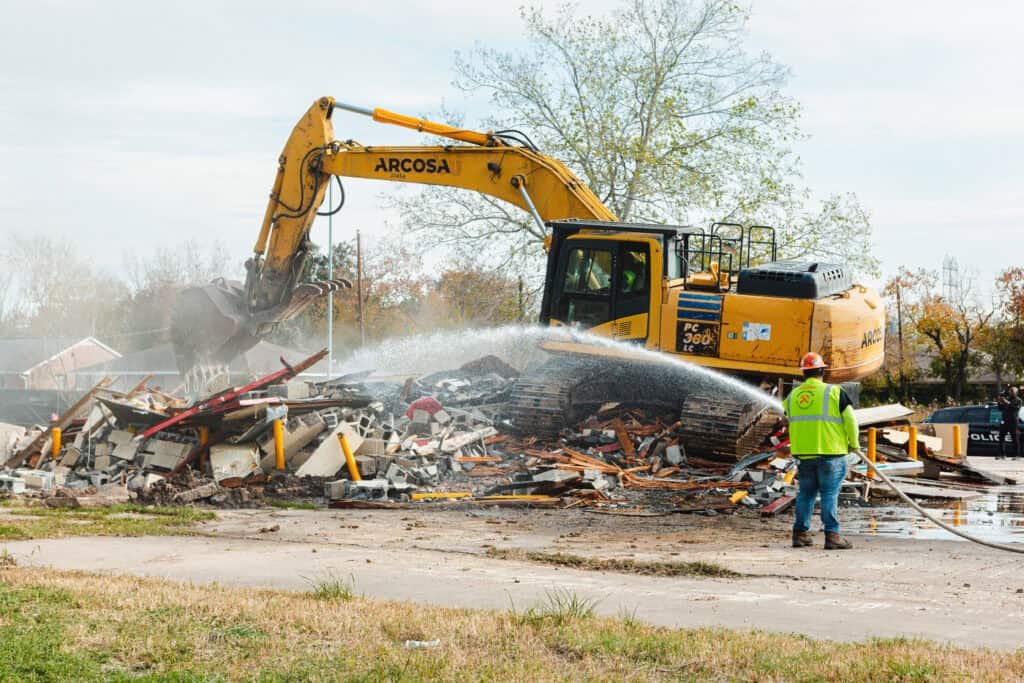
Before any park can be built, any trail can connect neighbors, or any neglected corner can truly serve the people, it has to be made safe. That’s the first and most critical step in community redevelopment.
Across many neighborhoods, including Hiram Clarke and Fort Bend, underused or long-abandoned properties, often former gas stations or commercial sites, sit untouched. These are known as brownfields: land parcels where potential contamination or environmental hazards make redevelopment a challenge. However, with the right vision and investment, even the most blighted spaces can be restored to benefit the people who live, work, and worship nearby.
That’s exactly what’s happening at the Fuqua Land Project (4802 W. Fuqua Street), the site of the former MADCO gas station. For years, the corner property stood as a reminder of disinvestment. Today, thanks to the leadership of the Hiram Clarke Fort Bend Redevelopment Authority/TIRZ 25, it’s on the path to becoming a place of purpose, pride, and potential.
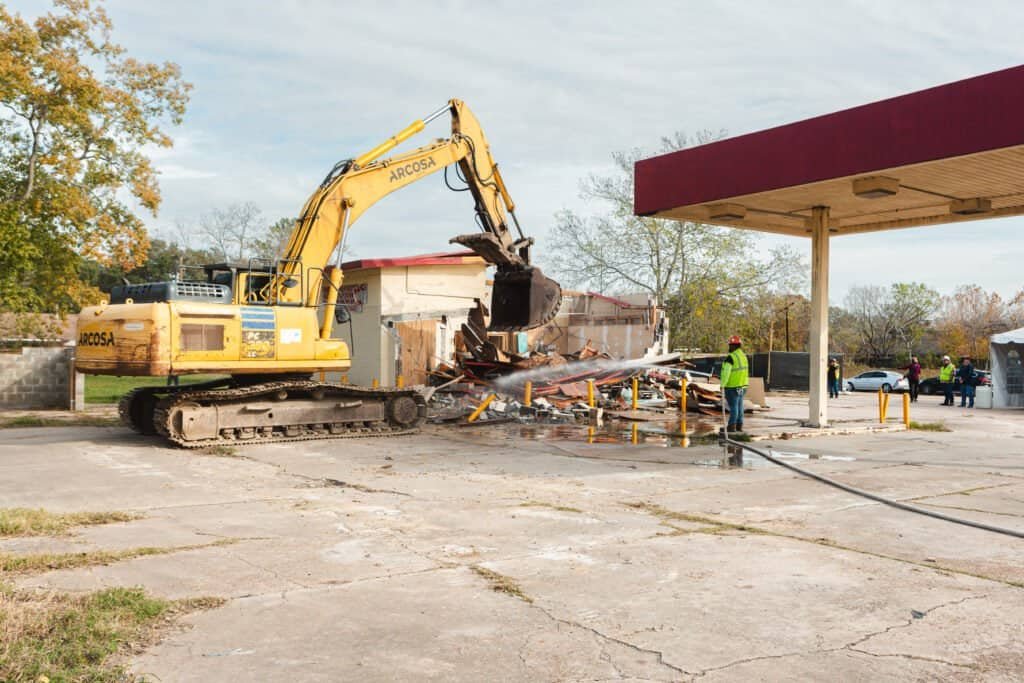
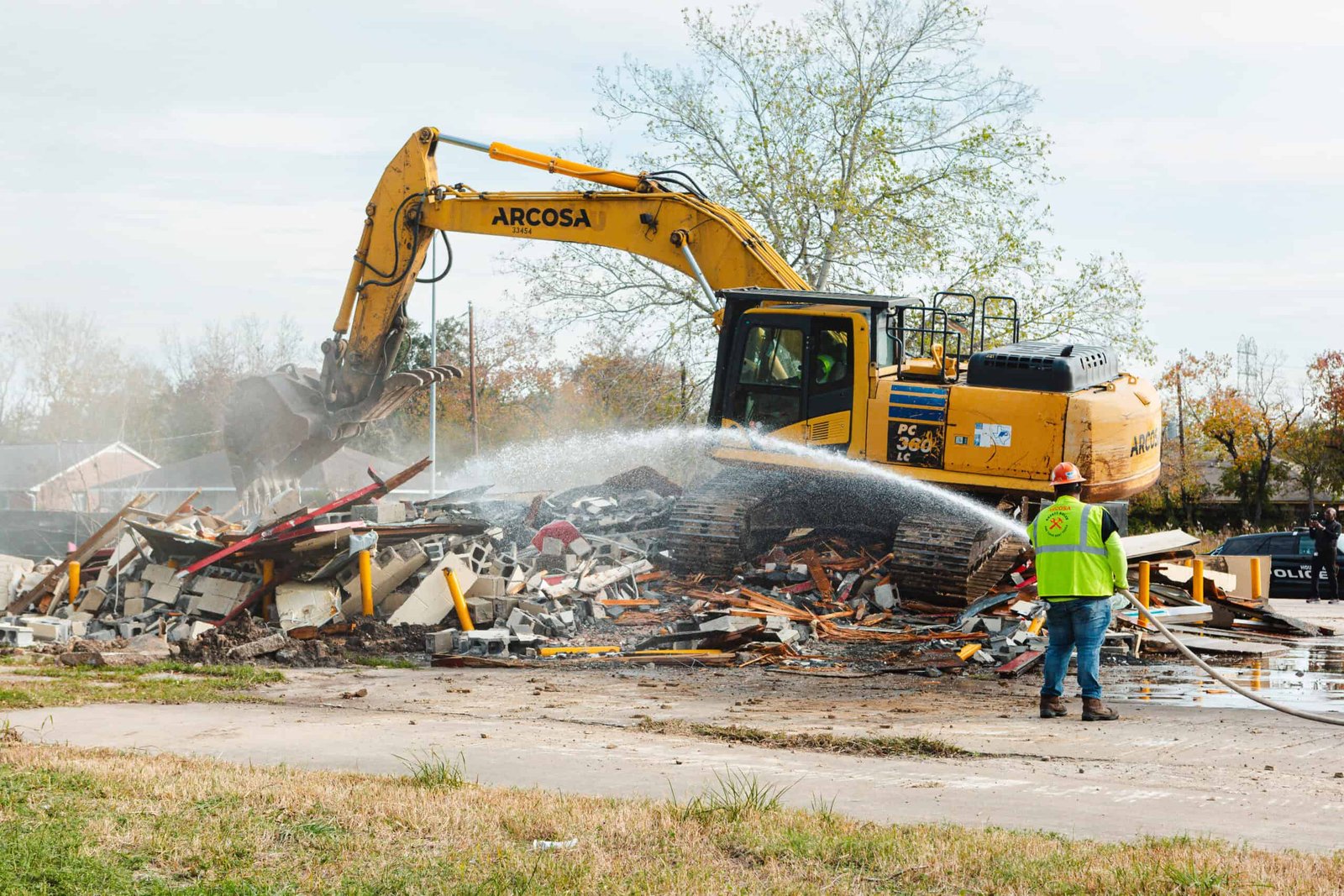
After acquiring the site in 2023, the Redevelopment Authority prioritized environmental safety. Through thorough assessments, clean-up efforts, and the removal of outdated infrastructure, the site has been cleared of contamination and prepared for its next chapter. What was once a community hazard is now a clean slate, ready to be reimagined with the input of the people who live nearby.
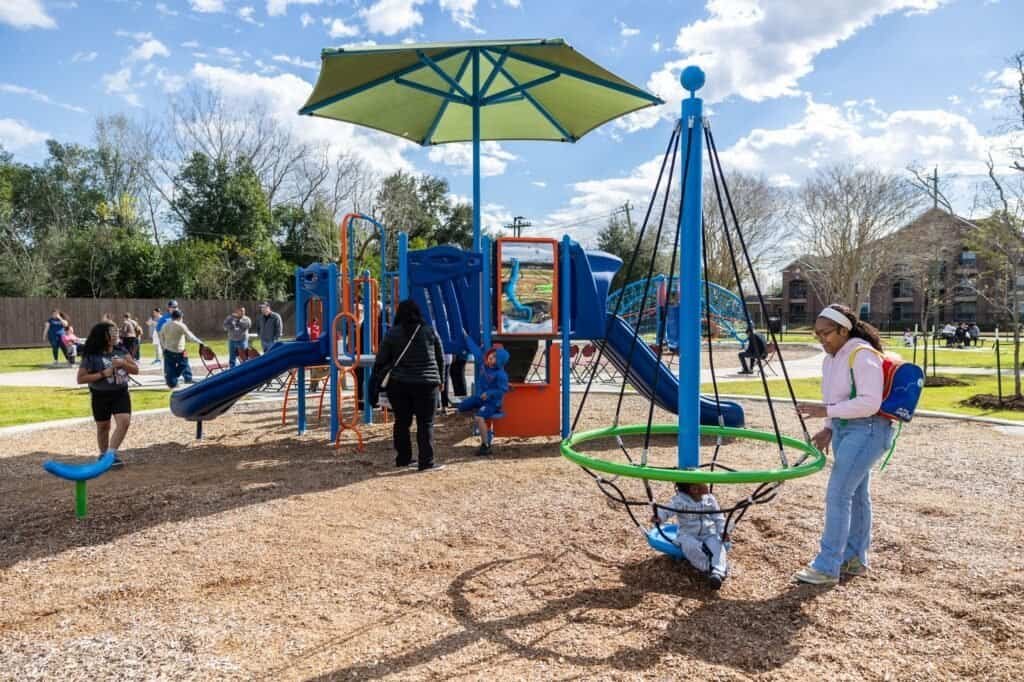
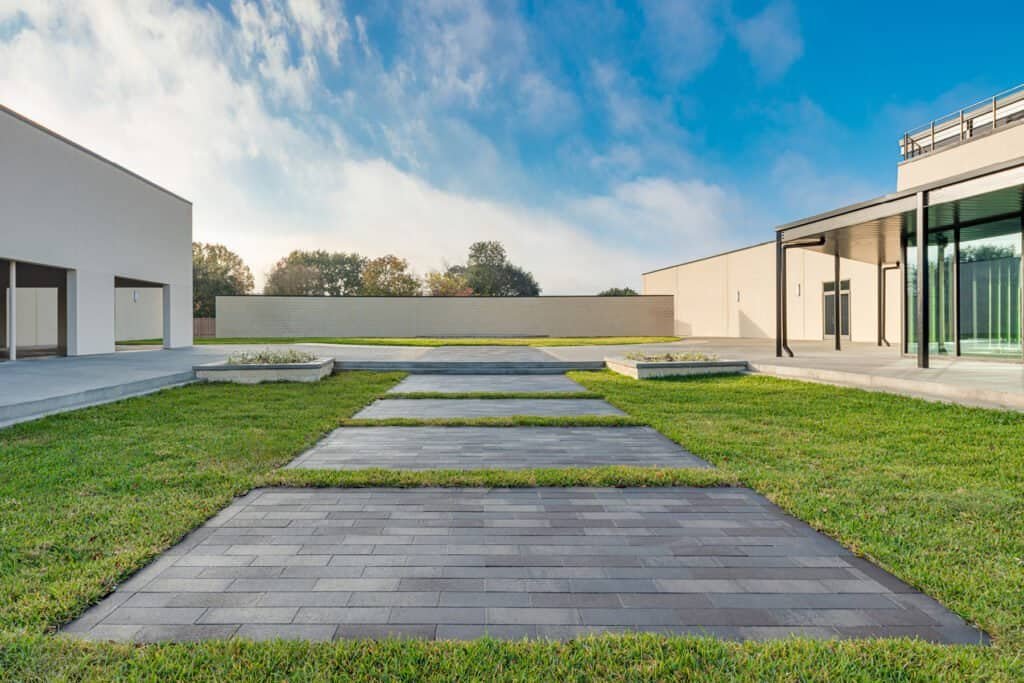
The Fuqua Land Project is being shaped by resident voices, with early concepts pointing to a public green space that connects with Simon Minchen Park and the Sims Bayou Trail. Plans call for shaded seating, gathering areas, public art, and enhanced walkability features that reflect community needs and elevate everyday experiences.
This transformation isn’t just about revitalizing land; it’s about restoring trust, creating safe and beautiful spaces, and honoring the resilience of the Hiram Clarke and Fort Bend communities.
The Fuqua Land Project is more than a redevelopment effort; it’s a promise that every space
has value when it serves the people who call the neighborhood home.
With sustainability, safety, and community input at the core, this project sets a new standard for turning underutilized land into lasting community assets. For a closer look at the full presentation on brownfields click here.