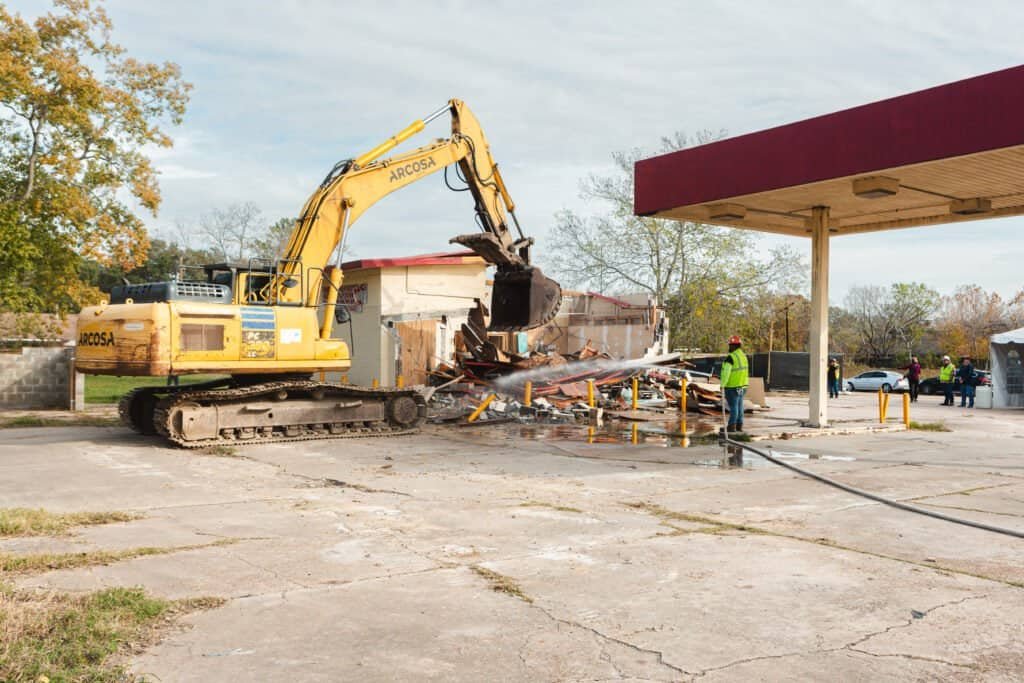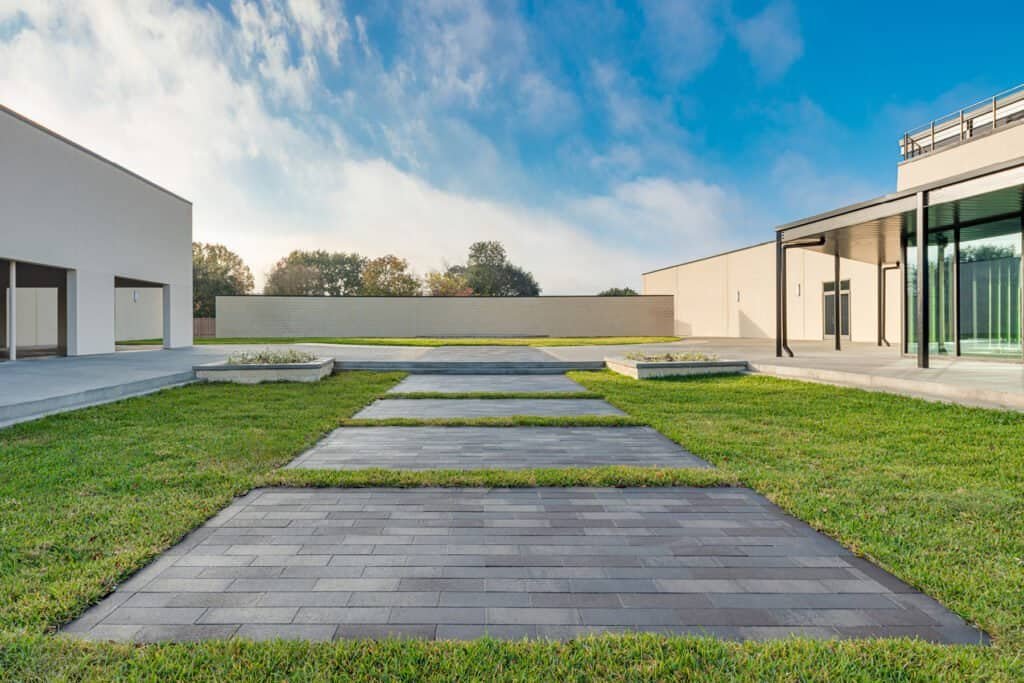
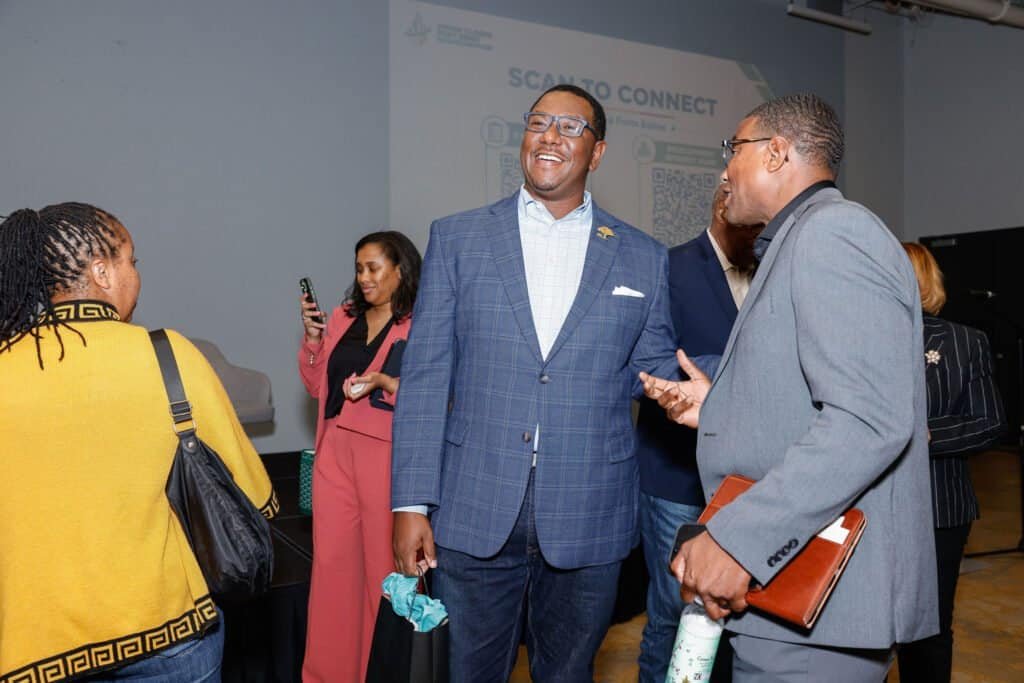
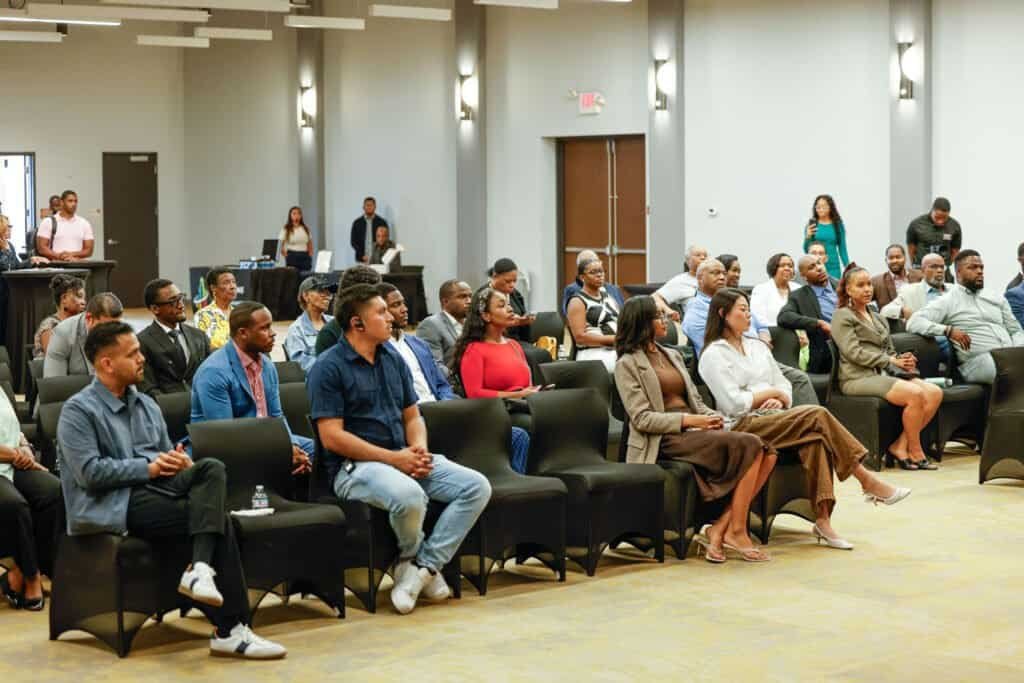
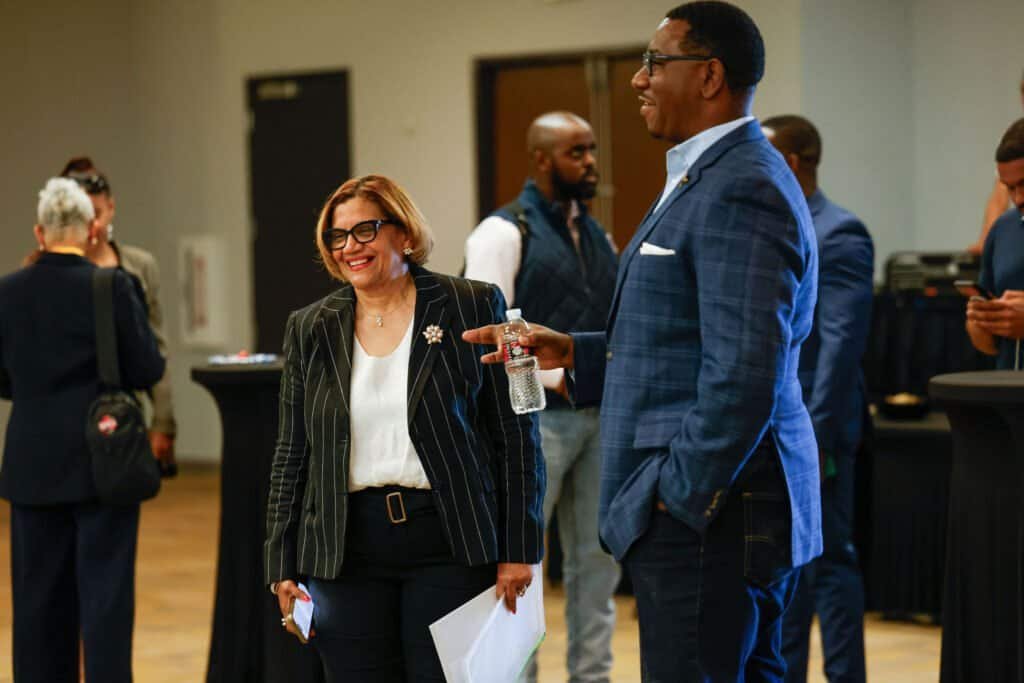
Developers, investors, and community partners gathered at FountainLife Center for our latest Developers Networking Reception. The evening’s theme, From Blight to Bright, set the stage for a candid, practical conversation about what it actually takes to turn underused land into lasting opportunity in Hiram Clarke and Fort Bend Houston communities. Attendees had plenty of time to connect before the panel got underway.
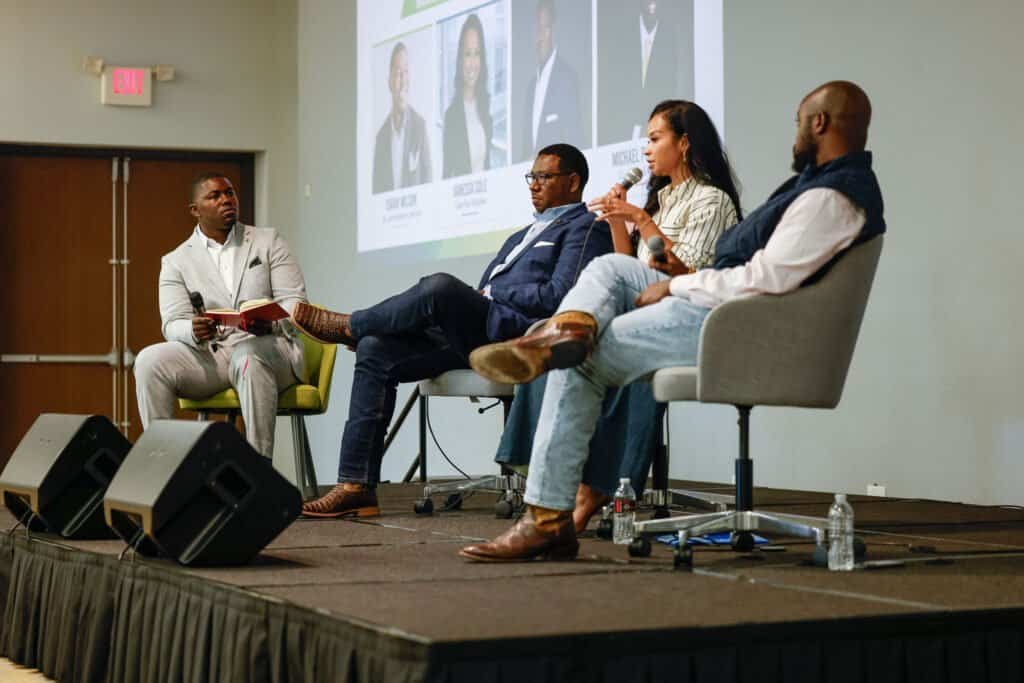
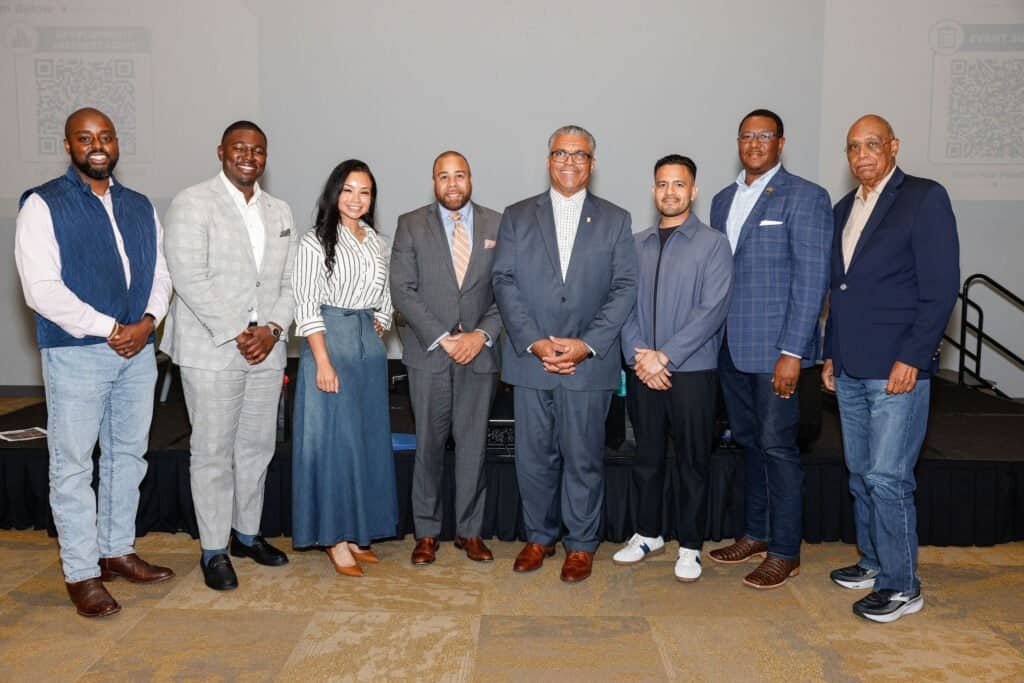
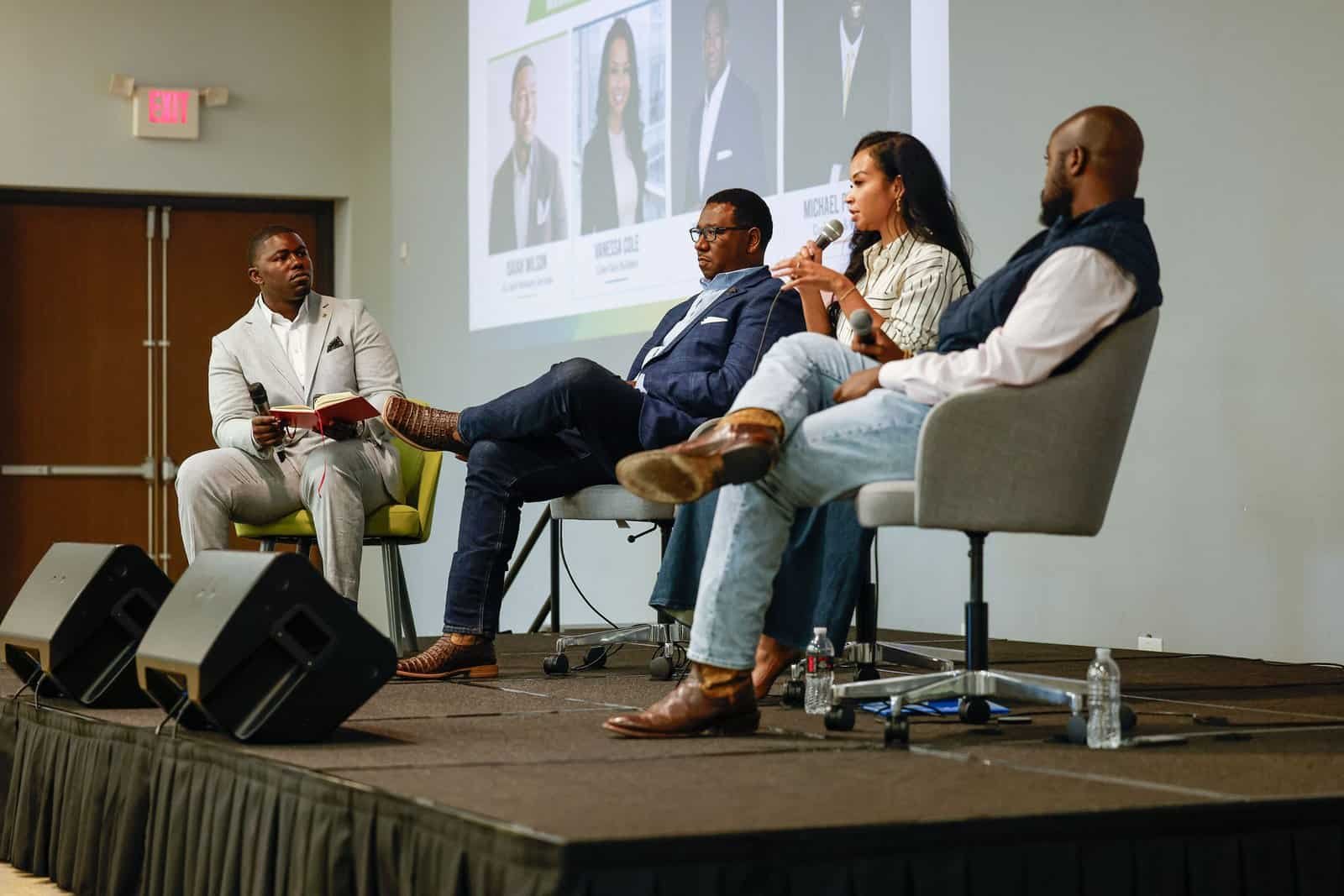
Isaiah Wilson of JLL moderated the discussion, guiding the conversation with a sharp understanding of development strategy and real estate advisory. Panelists Vanessa Cole of Cole Klein Builders, Kevan Shelton of Park Street Homes, and Michael Pittman II of Cushman & Wakefield brought the kind of real-world experience that pushed the dialogue well beyond theory and into the practical realities of building in urban infill markets.
The panel opened with a grounded look at market conditions. The group discussed which product types are generating the strongest returns in infill locations right now and what site-selection criteria matter most when evaluating opportunity in a corridor like ours. Panelists were candid about the challenges too, including how developers can approach fragmented parcel ownership and assemble land in ways that make projects viable without losing momentum.
From there, the conversation shifted to financing. The group explored what tools, incentives, and public-private partnership structures are actually moving the needle for infill projects today. There was meaningful discussion around how TIRZ investments and redevelopment authority initiatives can serve as the catalyst that attracts private capital and gives developers the confidence to build in communities that have historically been overlooked.
Perhaps the most compelling thread of the evening was the relationship between profitability and purpose. Panelists pushed back on the idea that strong returns and meaningful community impact require tradeoffs. When developers choose infill locations thoughtfully, design with the existing community in mind, and take advantage of the public tools available to them, projects can generate real returns while contributing to neighborhood revitalization and long-term economic growth. That is precisely the kind of development Hiram Clarke and Fort Bend Houston are positioned to attract.
The night closed with a forward-looking conversation about what is coming next. Emerging trends in construction technology, mobility, and design are reshaping what is possible in infill development, and corridors like ours are well-positioned to benefit. Southwest Houston redevelopment is not a future ambition. It is an active opportunity, and HCFB is committed to creating the conditions that make it real.
If you want to be part of the next conversation, sign up for our newsletter and follow us on social media for updates on upcoming networking receptions and development opportunities in Hiram Clarke and the Fort Bend Houston communities.